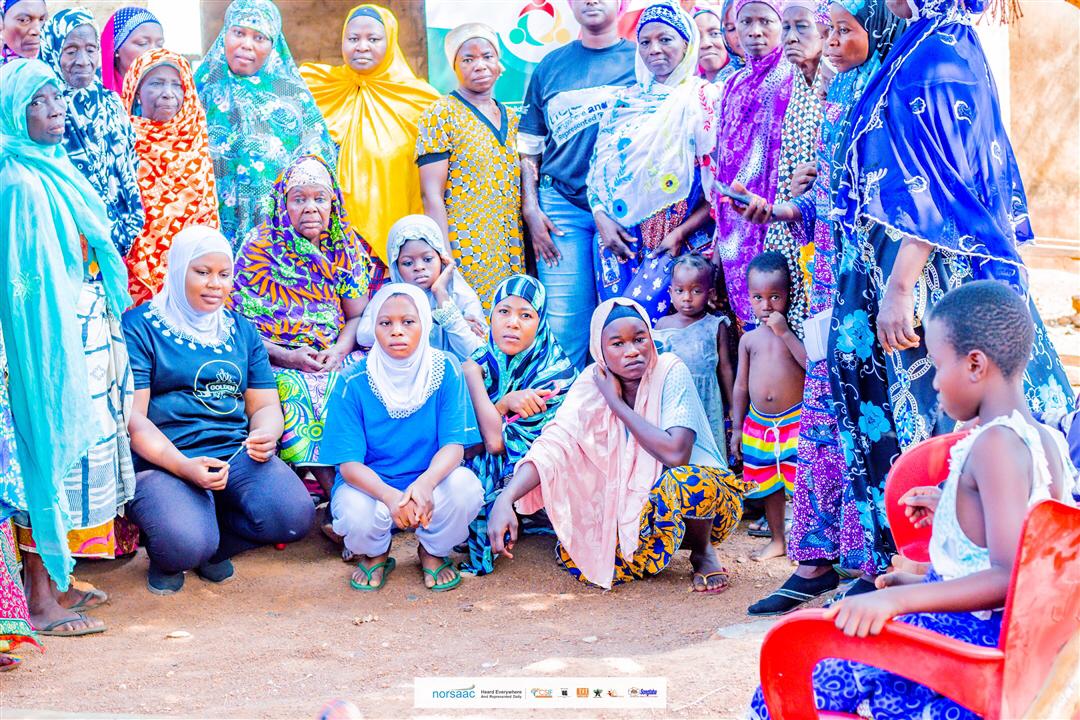
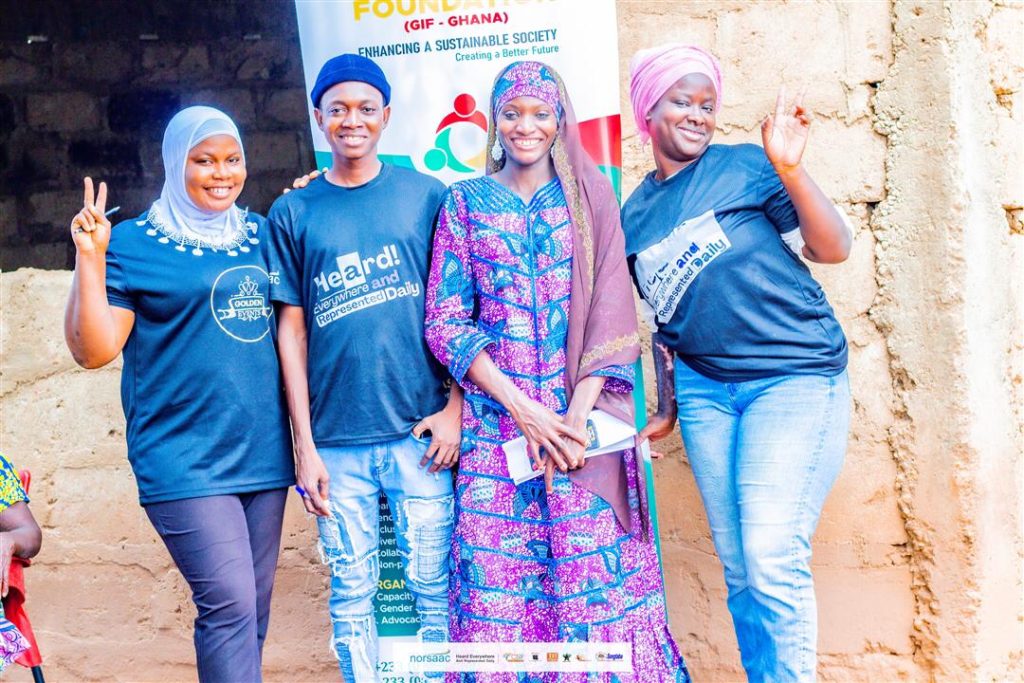
Golden Inspires Foundation, as an implementing partner under the HEARD Project with the support of Songtaba Ghana and funding partners, organized a community outreach sensitization program on 28th March 2025. This initiative took place in Zohe, a community in Yendi, Northern Ghana, with the theme: The Importance of Affirmative Action in Addressing Sexual and Gender-Based Violence. The program aimed to create awareness about affirmative action and its role in addressing gender-based violence, fostering gender equality, and empowering women within the community.The session provided a platform for the women in Zohe to understand the legal and social frameworks designed to promote gender equity, particularly the Affirmative Action Law.
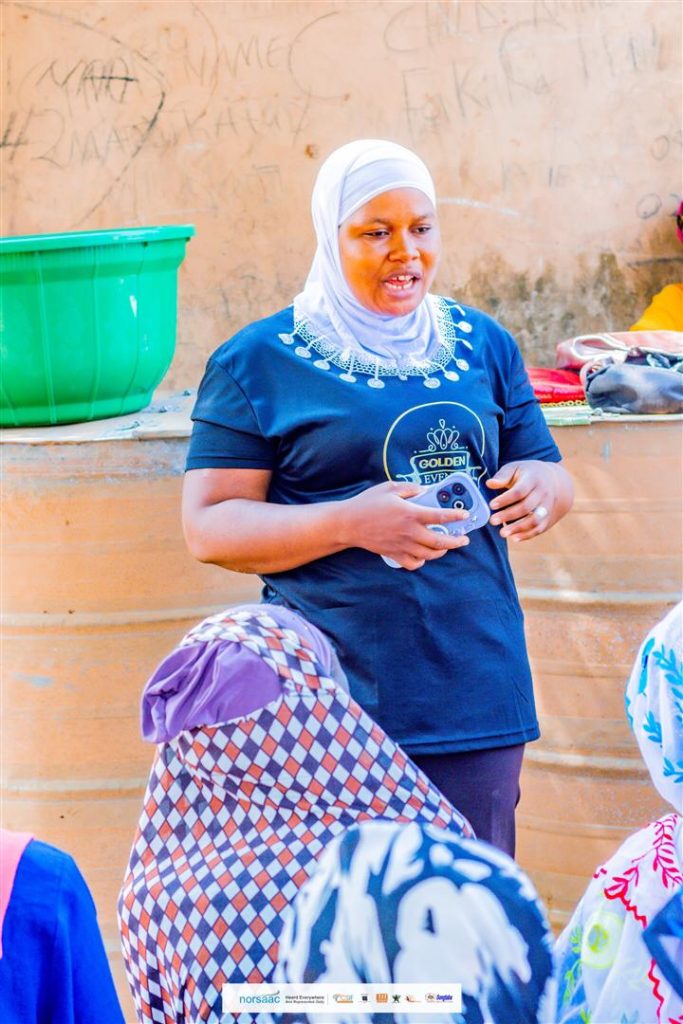
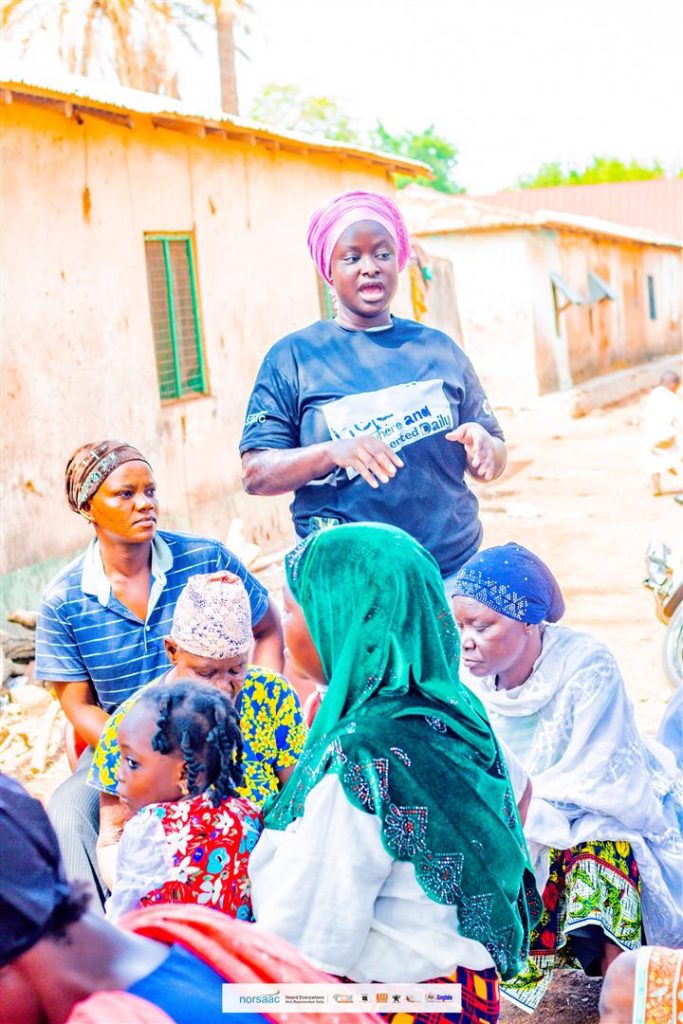
The outreach was structured to encourage interactive discussions, allowing women to share their experiences, challenges, and recommendations on promoting gender inclusivity. Additionally, it served as an avenue for participants to explore how community support, policy implementation, and advocacy efforts could contribute to reducing gender-based violence and enhancing women’s participation in decision-making.The engagement began with an opening prayer led by Madam Baba Iklima, after which Madam Raamatu introduced the concept of affirmative action. She explained that affirmative action, also known as Positive Discrimination Action Law, is a policy designed to promote equal opportunities for marginalized groups, particularly women and persons with disabilities. She discussed the historical imbalances it seeks to address and emphasized its importance in education, employment, and leadership representation. Additionally, she highlighted the benefits of the law, including the promotion of diversity, social justice, inclusivity, and economic empowerment. However, she also noted the challenges associated with its implementation, such as resistance from certain individuals and institutions, insufficient resources, and the need for continuous monitoring and commitment to ensure its success.Following her presentation, Madam Iklima provided further details about the Affirmative Action Law, including the year it was passed in Ghana, the current challenges related to gender equality, and the ways in which the law addresses these issues. She highlighted the role of women in advocating for the law, as well as the responsibilities of community leaders and institutions in supporting gender equity.
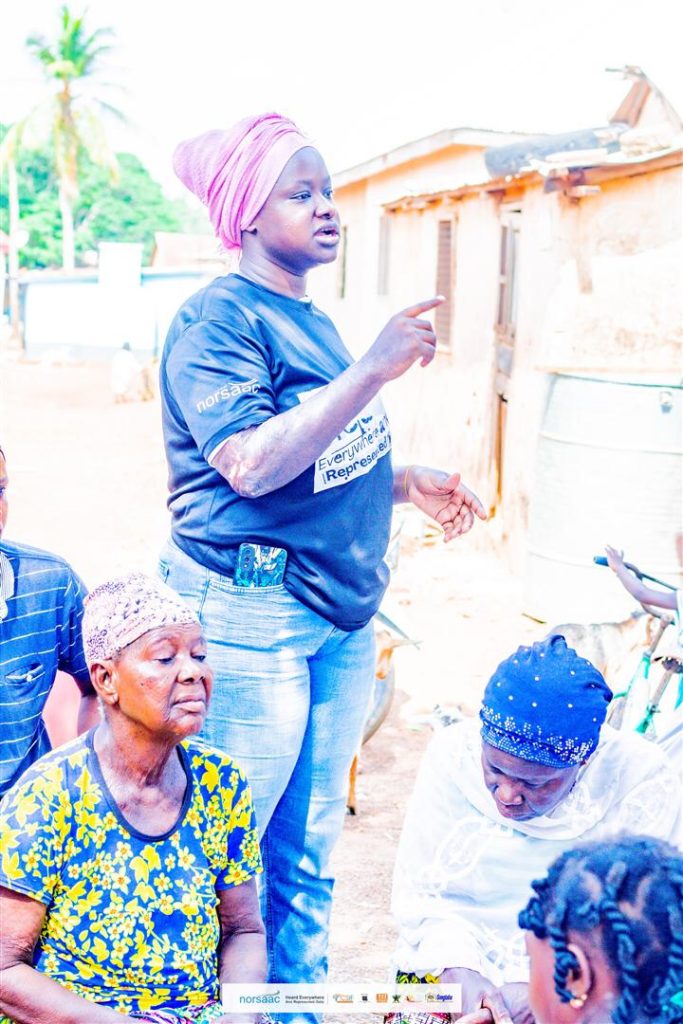
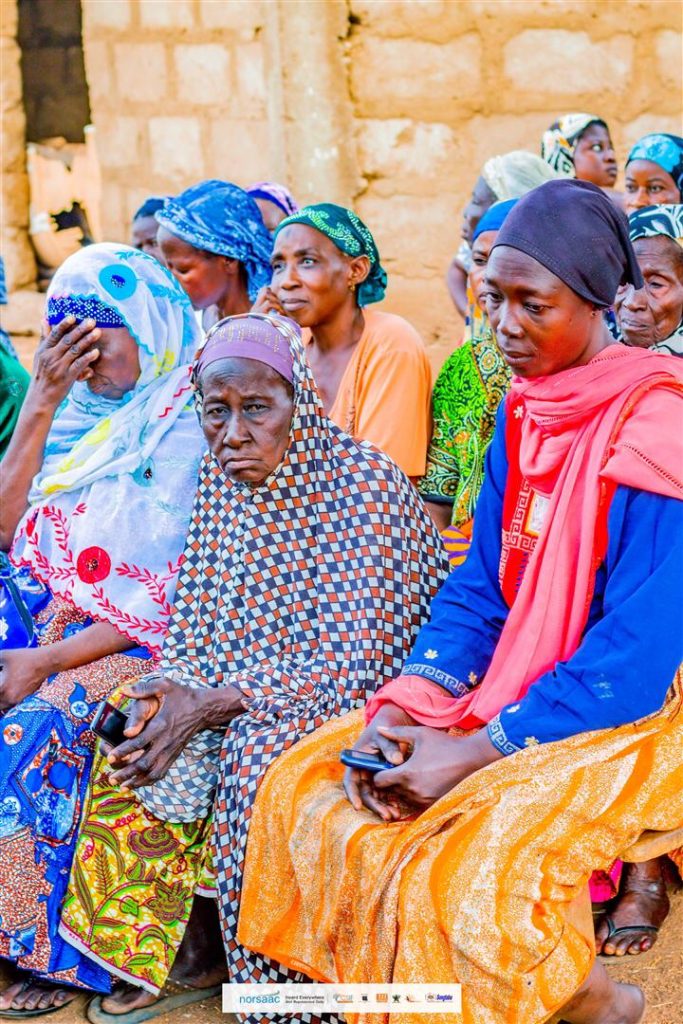
She also encouraged women to actively participate in leadership roles and decision-making processes within their households and communities.Mr. Rex then introduced the Right to Information (RTI) Law, explaining its significance in ensuring government accountability and transparency. He elaborated on the role of the RTI Commission and the legal obligations of the government in providing information to the public. Madam Rahinnah expanded on this discussion, offering insights into how access to information can empower women to demand their rights and participate more actively in governance and decision-making.An interactive session followed, during which over 22 women engaged in discussions, shared their experiences, and asked questions. Madam Bintu, the secretary of the women’s group, made recommendations encouraging more women to advocate for affirmative action and seek leadership opportunities.
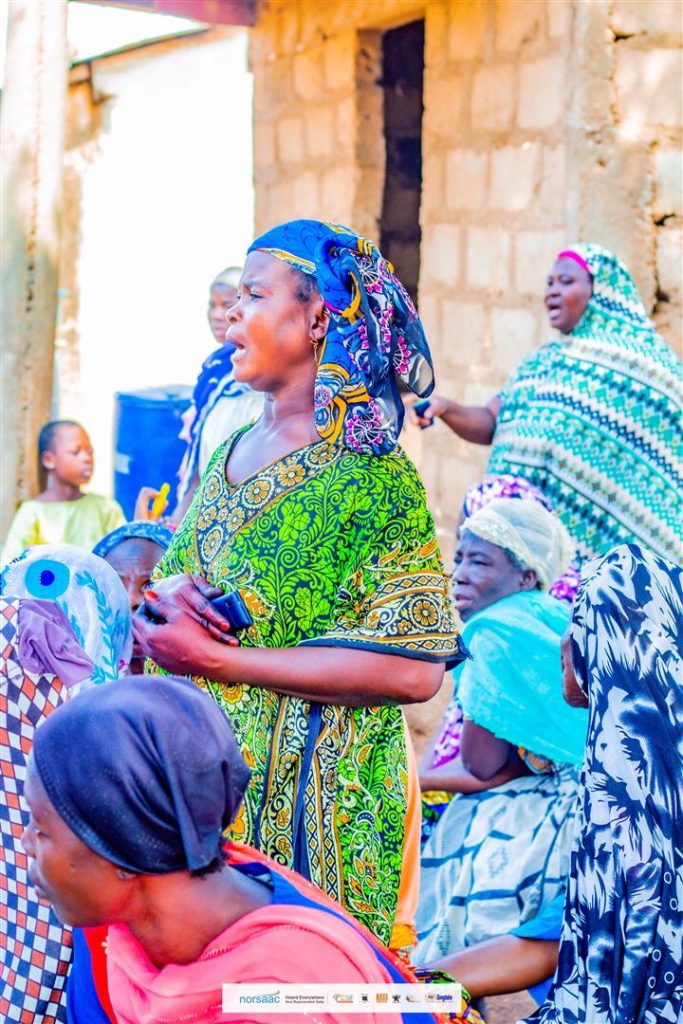
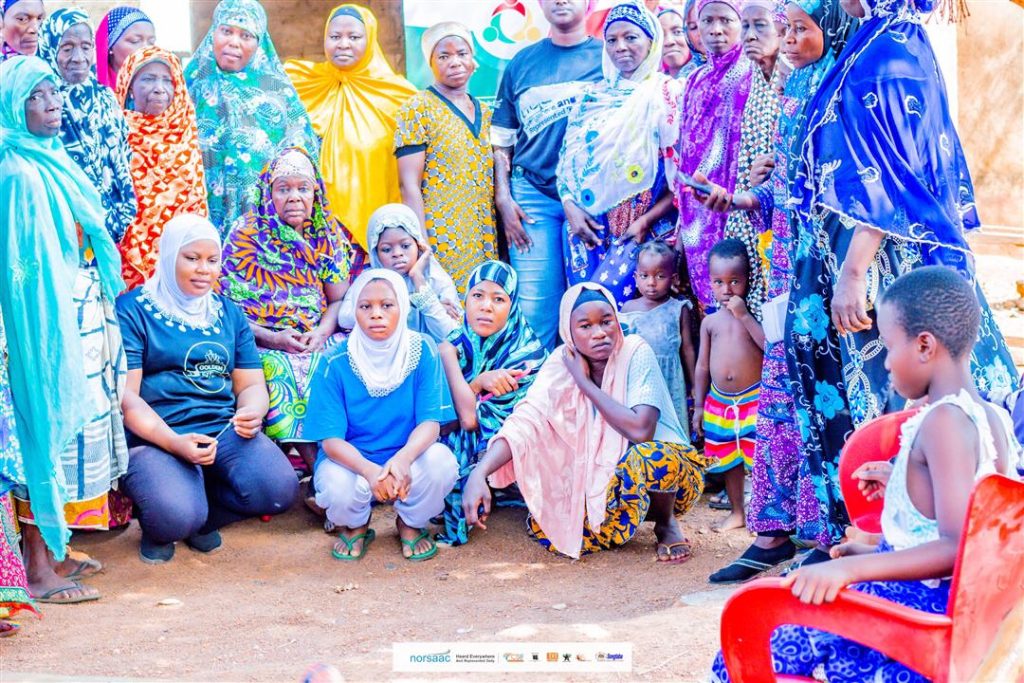
Some participants inquired about potential economic empowerment programs, particularly regarding Golden Inspires Foundation’s relationship and Bonzali Rural Bank and the possibility of accessing loans to start or expand businesses.The session concluded with a general consensus that while affirmative action policies are essential, their success depends on continuous community engagement, institutional support, and societal commitment to gender equity. A group photo was taken, and the event ended with a closing prayer.The primary target group for this community engagement was women from the Zohe community in Yendi. These women, many of whom are key members of households and local groups. They play significant roles in community development but often face systemic barriers that limit their access to leadership opportunities, education, and economic resources.The engagement also included other community advocates for women’s rights.
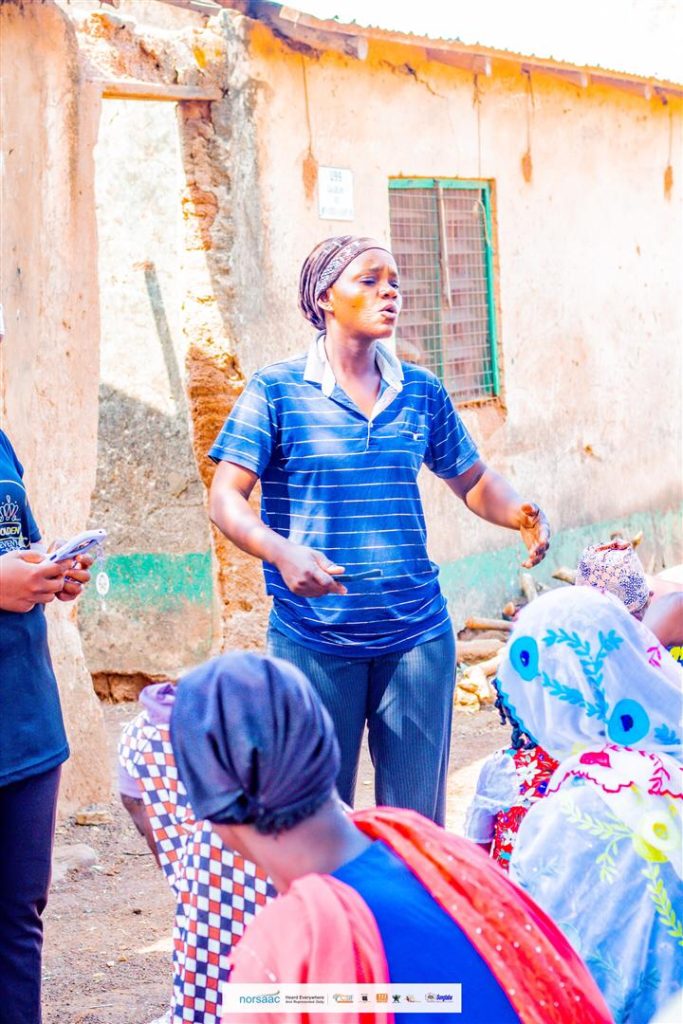
The program aimed to build a more inclusive conversation on gender equality and affirmative action. These discussions helped to bridge the gap between policy and practice, ensuring that women in the community not only understand their rights but also gain the confidence to advocate for necessary changes.The session further targeted young women who aspire to take up leadership roles in the future. By engaging with the Affirmative Action Law and related policies at an early stage, they were encouraged to pursue opportunities that could contribute to gender equality and community development in the long run. Through these discussions, the program fostered a sense of empowerment, inspiring women to take proactive steps toward advocating for gender equity in their personal and professional lives.The community sensitization program in Zohe provided valuable insights into the role of affirmative action and gender advocacy in rural communities. One of the key lessons learned was the increased awareness and interest in affirmative action. Many women were previously unaware of the Affirmative Action Law and its impact on gender equality. The session sparked a strong interest, with participants expressing a desire for further engagement on policy advocacy and legal literacy programs.Additionally, the program highlighted the need for multi-stakeholder support in ensuring gender equality. Women in Zohe emphasized that their success in leadership roles and economic empowerment depends on broader community support. Men, religious leaders, traditional authorities, and institutions must be actively involved to drive meaningful change. The program reinforced that gender equality is a shared responsibility requiring the participation of all sectors of society.Another crucial lesson learned was that economic empowerment is a key driver of gender equality.
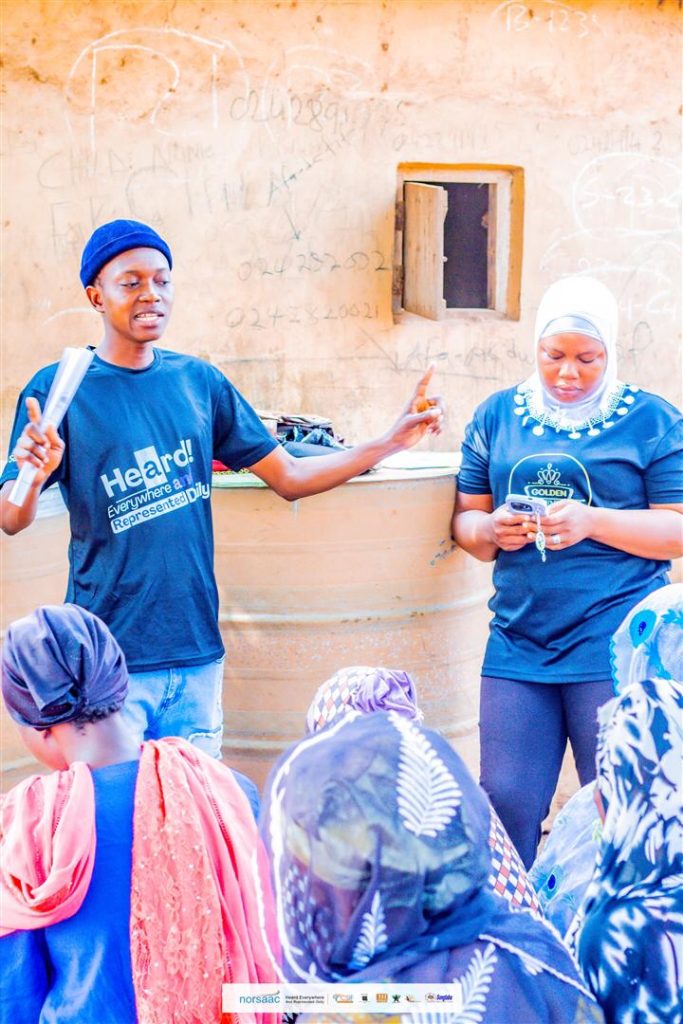
During the discussions, many women identified financial independence as a crucial factor in asserting their rights. They expressed interest in business opportunities, access to loans, and vocational training programs to improve their financial security. This insight highlights the interconnection between gender equality and economic development.Despite the positive reception, cultural barriers remain a significant challenge. Deep-rooted societal norms still pose obstacles to women’s advancement. Many participants shared personal experiences of gender discrimination, household inequalities, and limited decision-making power. This highlights the need for continuous community dialogue, education, and sensitization to challenge stereotypes and foster progressive mindsets.The discussion on the Right to Information (RTI) Law revealed that many women lack access to critical information regarding their rights, available resources, and support mechanisms.
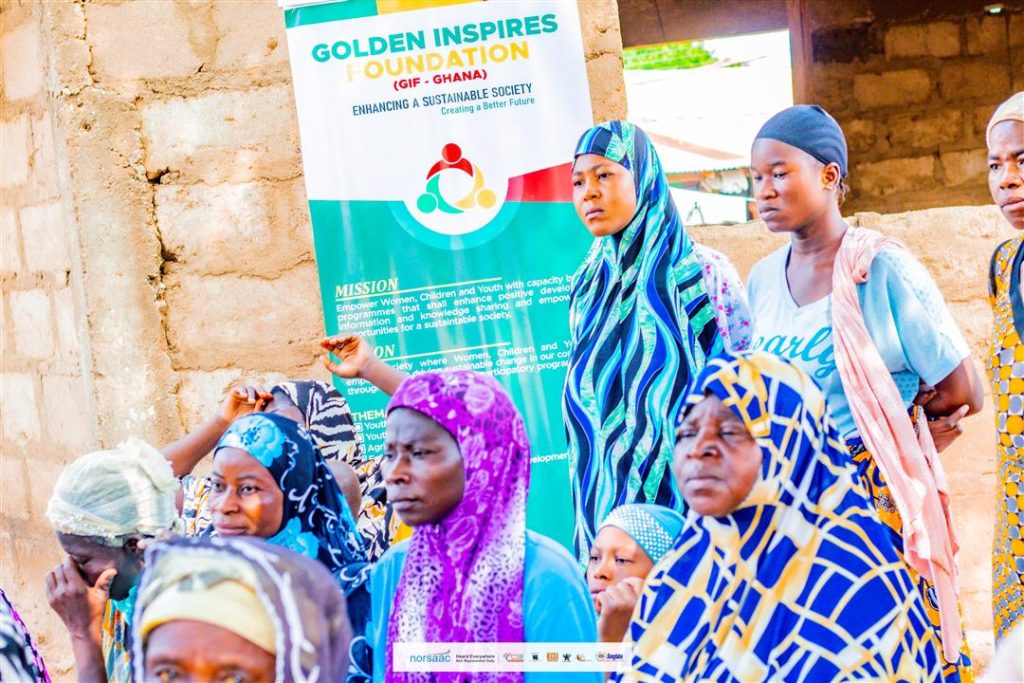
The session demonstrated that legal literacy is an essential tool in empowering women to demand their rights and hold leaders accountable.While the program was successful, several challenges were observed. One of the most significant challenges was the limited awareness and understanding of gender policies. Many participants had limited prior knowledge of the Affirmative Action Law and RTI Law, highlighting the gap in legal literacy. This calls for consistent engagement, simplified educational materials, and follow-up programs to deepen understanding.Resistance from cultural and traditional norms also posed a major challenge. Gender roles in the Zohe community remain highly patriarchal, making it difficult for women to actively participate in decision-making and leadership. Some participants mentioned that their husbands and male relatives discourage them from engaging in advocacy, citing cultural traditions. This resistance presents a significant barrier to women’s empowerment.Economic and financial constraints also hindered their progress. Many women lack access to financial resources to start businesses or invest in personal development. The request for loan opportunities from Bonzali Rural Bank during the discussion highlighted the urgent need for financial inclusion programs tailored to women.Furthermore, limited institutional support and policy implementation gaps were evident.
Despite the existence of affirmative action policies, their implementation at the community level remains weak. Women expressed frustration over the slow progress in policy enforcement, emphasizing the need for stronger government and civil society collaboration to ensure effective execution of gender-focused policies.Another challenge was the low male engagement in gender advocacy. The absence of male participants in the discussion was notable. Gender equality efforts cannot succeed without engaging men as allies. Moving forward, targeted awareness campaigns for men will be essential in addressing gender-based biases and fostering community-wide support.Despite the challenges, the outreach program yielded significant outcomes. One major achievement was the increased knowledge on affirmative action and gender rights. Over twenty-two women gained a deeper understanding of the Affirmative Action Law and its role in promoting gender equality. Participants also learned about the RTI Law and how they can access information to support their advocacy efforts.The program also facilitated active community engagement and dialogue. Women actively participated in discussions, sharing their experiences, challenges, and aspirations.
The open discussion session enabled peer learning and built a stronger sense of solidarity among women.Another key output was the identification of economic needs and opportunities. Women expressed a need for financial and entrepreneurial support, leading to discussions on potential partnerships with Bonzali Rural Bank and other financial institutions. The session emphasized the importance of economic empowerment in advancing gender equality.Strengthened collaboration with local women’s groups was also an important achievement. The program enhanced partnerships between Golden Inspires Foundation and local women’s organizations. Madam Bintu, the secretary of the women’s group, recommended continuous engagement to sustain advocacy efforts.Additionally, the program highlighted the need for further training and capacity building. Participants requested more frequent training sessions on legal literacy, leadership development, and financial management. The engagement demonstrated that ongoing education and mentorship are essential for long-term impact.Based on the lessons learned and challenges identified, one of the primary actions to be taken is strengthening community sensitization and education. More awareness sessions on affirmative action, gender rights, and economic empowerment will be organized. Additionally, simplified educational materials such as flyers, posters, and radio programs will be developed to enhance knowledge retention.Engaging men and community leaders will be another priority. Male-focused sensitization programs will be implemented to challenge gender biases and foster allyship. Dialogues with traditional and religious leaders will also be conducted to gain their support for women’s empowerment.
Facilitating access to financial and entrepreneurial opportunities is another key area of focus. Potential collaborations with Bonzali Rural Bank and other financial institutions will be explored to provide accessible funding for women entrepreneurs. Workshops on financial literacy, savings, and business development will also be organized.Advocating for stronger policy implementation will be crucial in ensuring that affirmative action policies are effectively enforced. Partnerships with local government and civil society organizations will be strengthened to push for policy execution. Women will also be trained in advocacy skills to engage policymakers at district and regional levels.Monitoring and follow-up support will be established to track progress and provide guidance on legal and economic matters. A support network for women will be created, and periodic follow-up sessions will be scheduled to assess the impact of the program and address emerging challenges.The community sensitization program in Zohe was a significant step toward empowering women through knowledge and advocacy. Equipping women with information on gender policies, economic opportunities, and leadership skills, the session laid the foundation for stronger community engagement and progressive change. Moving forward, continued education, policy advocacy, and economic empowerment initiatives will be key in ensuring long-term impact.
Leave a Reply